1. Sissejuhatus
Karel The Robot teaches fundamental programming concepts and skills. This guide emphasizes logic and structure over complex calculations, providing an accessible introduction to core programming ideas. It introduces Karel, a robot with built-in capabilities to explore its world and manipulate simple objects. By learning Karel's programming language, users can design structured programs to perform complex tasks, absorbing sophisticated programming concepts that enhance overall programming ability.
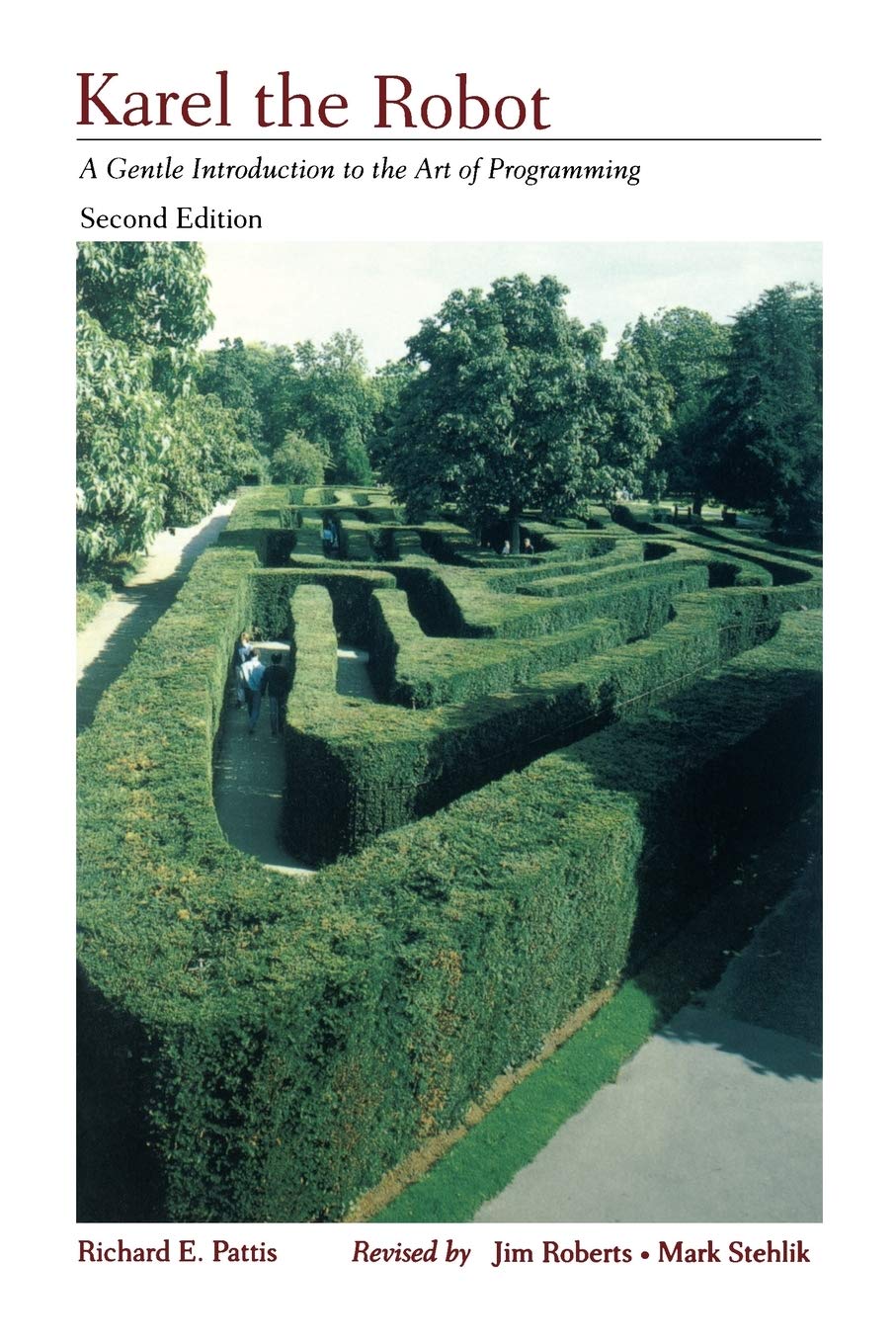
Figure 1: Cover of "Karel The Robot: A Gentle Introduction to the Art of Programming".
2. Getting Started with Karel
To begin your programming journey with Karel, it is essential to understand the basic environment and Karel's capabilities. The book guides you through setting up your conceptual understanding of Karel's world.
2.1 Understanding Karel's World
Karel operates in a grid-based world. This world consists of streets (horizontal) and avenues (vertical), forming intersections. Karel can move, turn, and interact with 'beepers' (small objects) within this world.
2.2 Põhikäsklused
Karel understands a limited set of commands. These primitive commands form the building blocks of all Karel programs:
- move();: Moves Karel one block forward in the direction it is facing.
- turnLeft();: Turns Karel 90 degrees to the left.
- putBeeper();: Places a beeper at Karel's current location.
- pickBeeper();: Picks up a beeper from Karel's current location.
- turnOff();: Ends the execution of the Karel program.
3. Operating Karel: Programming Concepts
The book progresses from basic commands to more complex programming structures, enabling Karel to perform intricate tasks.
3.1 Control Structures
Learn to use control structures to dictate the flow of your Karel programs:
- Järjestus: Commands are executed in the order they appear.
- Iteration (Loops): Repeating a set of commands. E.g., while (condition) { ... } or repeat (N) { ... }.
- Conditional Execution: Executing commands based on certain conditions. E.g., if (condition) { ... } else { ... }.
3.2 Defining New Instructions
The book teaches how to define custom instructions (procedures) by combining primitive commands and control structures. This allows for modular and readable programs.
4. Programming Practices and Maintenance
Effective programming goes beyond just writing code. This section covers principles for writing clear, efficient, and maintainable Karel programs.
- Structured Programming: Organize your code into logical, manageable units using procedures.
- Loetavus: Use meaningful names for procedures and add comments to explain complex logic.
- Tõhusus: Design algorithms that solve problems with the fewest possible steps or commands.
- Testimine: Verify your programs work correctly in various scenarios and edge cases.
5. Troubleshooting and Debugging
Encountering errors is a natural part of programming. The book provides strategies for identifying and resolving issues in your Karel programs.
5.1 Levinud vead
- Wall Collision: Karel attempts to move into a wall.
- Missing Beeper: Karel tries to pick up a beeper where none exists.
- Extra Beeper: Karel tries to put down a beeper when it has none.
- Lõpmatu silmus: A loop condition never becomes false, causing the program to run indefinitely.
5.2 Debugging Strategies
- Step-by-Step Execution: Trace Karel's path and state after each command.
- Print Statements (Conceptual): Imagine "printing" Karel's state or location at key points to understand program flow.
- Simplify the Problem: Break down complex problems into smaller, manageable parts and debug each part individually.
6. Tehnilised andmed
| Atribuut | Detail |
|---|---|
| Kirjastaja | Wiley |
| Avaldamise kuupäev | 10. juuli 1994 |
| väljaanne | 2 |
| Keel | inglise keel |
| Prindi pikkus | 176 lehekülge |
| ISBN-10 | 0471597252 |
| ISBN-13 | 978-0471597254 |
| Kauba kaal | 8.8 untsi |
| Mõõtmed | 6 x 0.4 x 9 tolli |
7. Tugi ja ressursid
For additional support, errata, or further resources related to "Karel The Robot: A Gentle Introduction to the Art of Programming," please refer to the publisher's official website or academic resources.
- Kirjastaja Websaidile: Wiley.com (for general inquiries or academic resources)
- Autoriteave: Richard E. Pattis on Amazon
- Kogukonna foorumid: Otsi "Karel the Robot programming forums" for community-driven support and discussions.


